Scrubber-dryer, vacuum or sweeper?
Cleaning robots come in three broad types, and some combine two in one unit.
-
WET CLEAN
Scrubber-dryer
Lays down water and detergent, scrubs with brushes or pads, then squeegees and vacuums up the dirty water, leaving the floor dry.
- Sealed hard floors
- Shifts grime and dried spills
- Needs water in and water out
-
DRY PICK-UP
Vacuum
Draws up dust and fine debris from carpet and hard surfaces without wetting them.
- Carpet, entry mats and lounges
- No water to manage
- Won't lift stuck-on dirt
-
LOOSE DEBRIS
Sweeper
Rotating brushes flick litter, grit and packaging scraps into a hopper.
- Docks, car parks and back-of-house
- Copes with bigger debris
- Doesn't wash the floor
Know your floor first
Surface type decides which machine fits and what it will struggle with.
Sealed concrete and epoxy
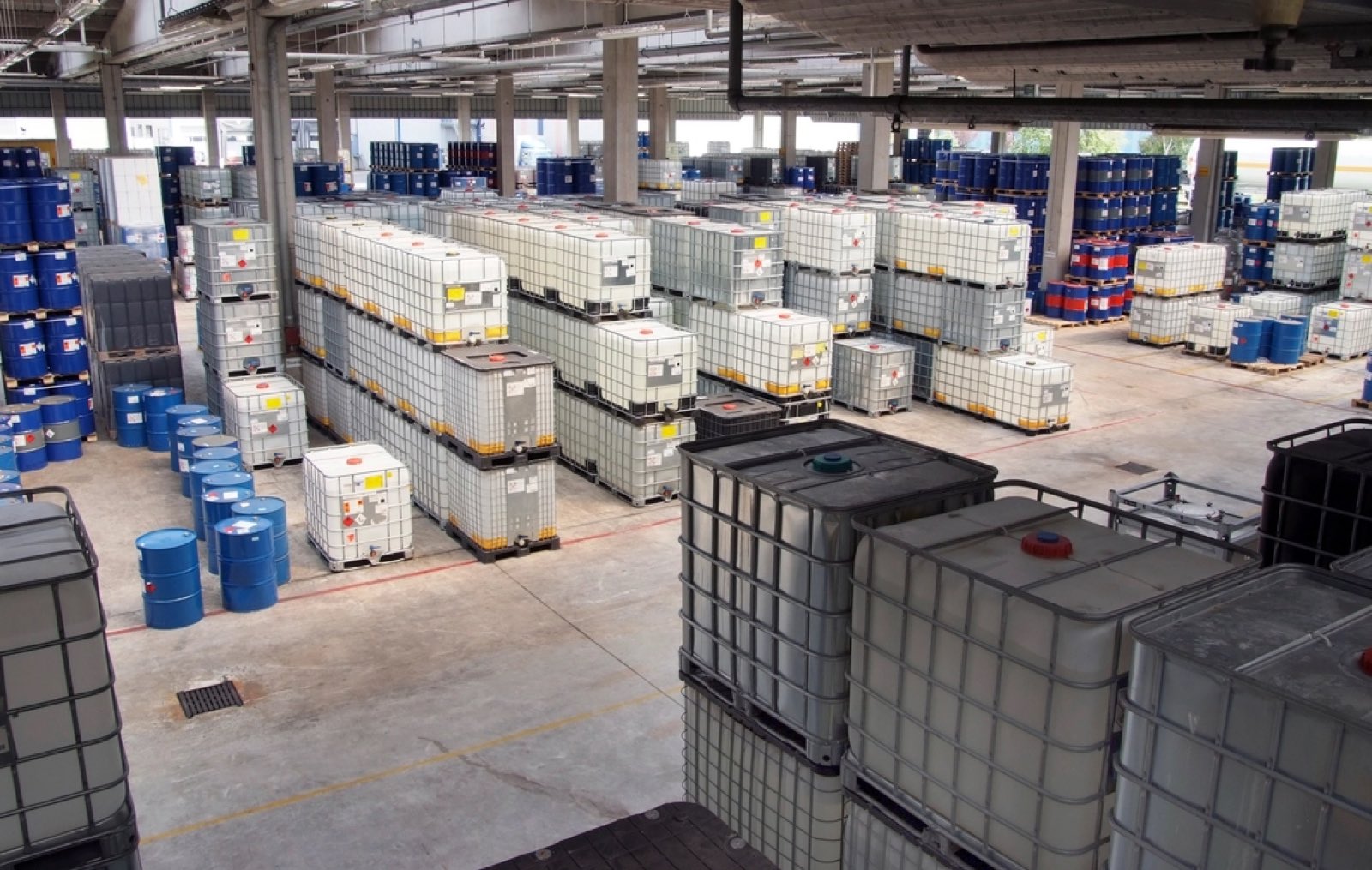
Common in warehouses. Suits sweeping and scrubbing.
Vinyl and polished concrete
Usual in supermarkets. Check which detergents the floor's care instructions allow.
Tiles with grout lines
Deep grout holds dirt, so brush and pad choice matters.
Carpet and entry mats
These need a vacuum. Keep wet scrubbers off them with no-go zones.
Ramps and door sills
Every robot has slope and step limits. Measure before you shortlist.
Glass and glossy surfaces
Some navigation sensors find these harder to read. Include them in the trial.

How coverage is planned
A robot cleans only what it has been told to clean.
Map the site
Guide the robot around the floor once so its sensors build a map.
Set zones
Mark areas to clean and areas to avoid, such as docks and carpet.
Schedule runs
Fit each zone around trade, deliveries and shift changes.
Check the gaps
Compare area cleaned with area planned. Tight corners still need a person.
Working around shoppers and forklifts
Commercial cleaning and transport robots use sensors to detect people and obstacles, then slow, stop or steer around them. That makes daytime cleaning in busy public areas possible.
Forklift areas need more care. Tines and pallet corners can be harder for sensors to pick up than a standing person, so keep robots out of active forklift aisles or run them while forklifts are parked. Add the robot to your traffic management plan and risk assessment under WHS laws in Australia or the Health and Safety at Work Act 2015 in New Zealand.
Charging, water and daily care
Charging
Robots recharge at a dock, returning on their own or parked there by staff, depending on the model. The dock needs power and a spot clear of traffic. Ask whether a run resumes after a top-up.
Water
Staff fill a scrubber-dryer's clean-water tank and empty its recovery tank, unless a station plumbed to a tap and drain does it. Dirty water goes to a cleaner's sink or trade waste point, never a stormwater drain.
Daily care
Rinse tanks, wipe the squeegee, check brushes or pads, empty bins and clean filters. Agree who owns these jobs.
What a site assessment covers
A useful assessment happens on your floor and should cover:
- Floor area, surfaces and condition
- Aisle widths, doorways, ramps and lifts
- Trading or shift hours and peak times
- Dock position, power, water fill and drain points
- Wi-Fi or mobile coverage
- Forklift, trolley and foot traffic
Running a fair trial
A short demo on an empty floor proves little.
Pick a real area
Include your most awkward floor, not just open space.
Agree measures
Set success criteria first: cleanliness, staff hours freed, how often someone steps in.
Run a full cycle
Cover busy and quiet days, and log every stop, rescue and missed patch.
Settle the terms
Get in writing what the trial costs, if anything, and what happens at the end.
Questions to ask any supplier
Put these to everyone, including us.
- Who maps the site and trains staff, and is that included?
- Who services it locally, and how fast?
- How long do spare parts take to arrive?
- What happens when the layout changes?
- Are there ongoing software or subscription fees?
- What do its cameras and sensors record, and where is that data kept?
- What does the warranty cover, in writing?
- What is the total cost over the term?
Got a question about your floor?
Describe your site and what you're weighing up, and a robotics specialist will reply.
More questions
Is a robot cheaper than a cleaner?
It depends on your floor, hours and machine. Compare the full cost over several years with the hours the robot takes on in your trial.
Who wrote this guide?
Robot Warehouse, run by RobotX Pty Ltd. We sell cleaning robots, transport robots and robotic arms in Australia and New Zealand, so hold us to the supplier questions above.